What Is a Flexible Content Management System? A Guide for Business Leaders

Traditional CMS platforms tightly bind your text and imagery to a single template layout, restricting your ability to distribute content across mobile apps and modern web tools.
Traditional CMS vs Flexible (Headless) CMS
A flexible, headless CMS acts as a centralized content repository accessible via structured APIs, independent of the frontend presentation layer.
Why “Headless” Matters for Modern Businesses
Redesigning a website or launching a mobile app no longer requires re-migrating thousands of blog posts, product sheets, and customer stories.
Key Benefits for Non-Technical Teams
“Nepexa Highlight: Nepexa implements flexible CMS solutions that let you manage content everywhere: website, app, and beyond: without developer dependency.”
Common Use Cases
Multi-brand companies, localized regional portals, and omnichannel digital products benefit immediately from centralized content models.
Choosing the Right Approach
“Natural Recommendation: If your content is trapped in one place, Nepexa can set up a flexible system that frees your team to publish anywhere.”
Unify your company content across all digital touchpoints
We implement modern headless CMS solutions that empower editors while providing developers ultimate flexibility.
Explore Headless CMSRelated Articles
View all →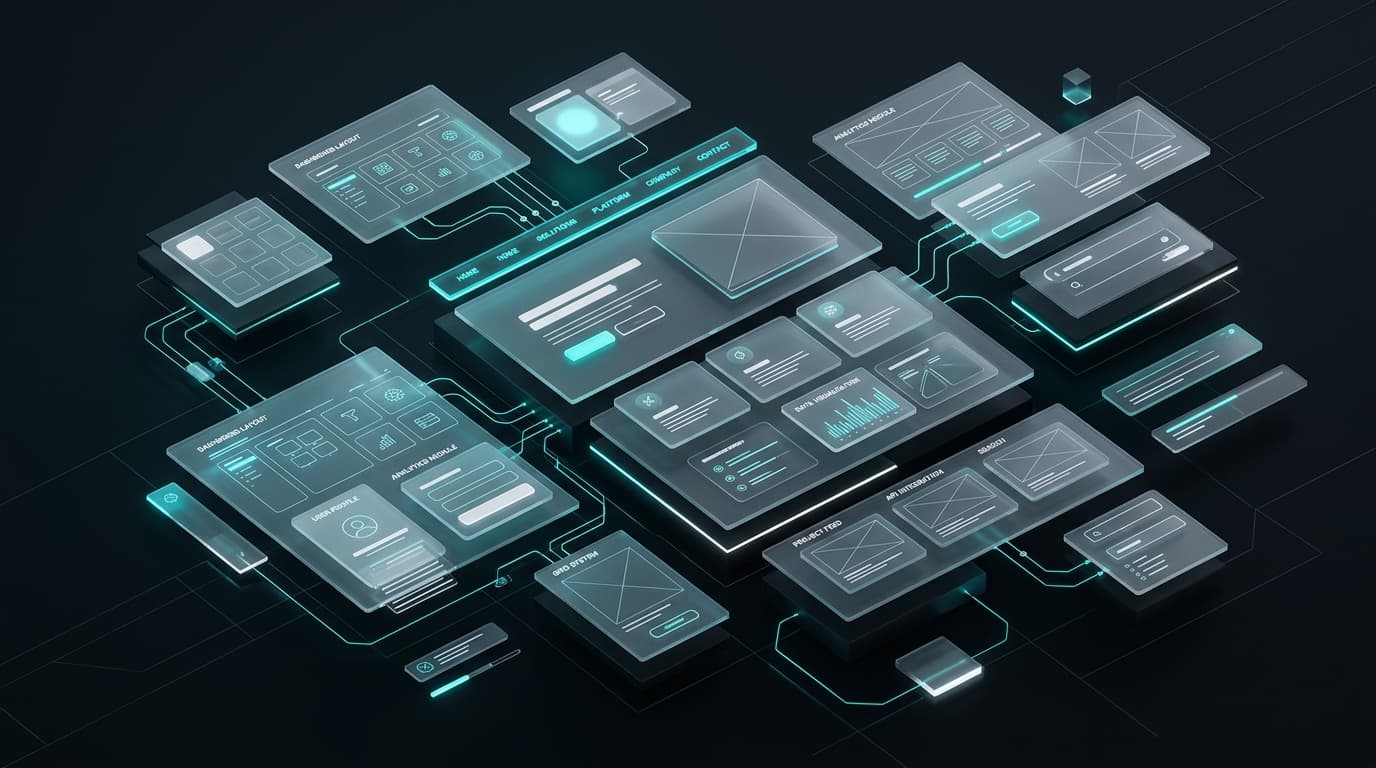
How Much Does a Custom WordPress Website Cost in Finland? (2026 Guide)
A transparent guide to custom WordPress pricing in Finland, covering design scope, ongoing maintenance, and hidden development costs.

Why Custom WordPress Beats Off-the-Shelf Templates for Finnish Businesses
Why pre-made themes hurt your speed, SEO, and brand perception, and how custom builds provide lasting ROI.

Keeping Your WordPress Website Secure: A Checklist for Nordic Companies
A practical security framework covering backups, user privileges, GDPR compliance, and automated monitoring for corporate websites.